 English
 Español
 Portugues
 العربية


Предварительно обработанная древесноволокнистая плита: что это, где её использовать и почему она эффективна.
Если вы занимаетесь планированием строительного проекта — будь то новый отель, реконструкция завода или просто обновление старого офиса — вы, вероятно, рассматривали целую стену образцов материалов, гадая, какой из них действительно подойдет. Вариантов десятки, и каждый поставщик утверждает, что его продукция лучшая.
Позвольте мне отбросить лишний шум и представить вам нечто, что незаметно набирает популярность в строительной отрасли: предварительно обработанные плиты.
Это не какой-то новый, броский материал, который ещё никто не тестировал. Это надёжный, проверенный временем продукт, отточенный годами эксплуатации в реальных условиях. В этой статье я расскажу вам, из чего он сделан, чем отличается от других стеновых панелей, где его действительно используют и на что следует обратить внимание при покупке.
Итак, что же такое предварительно покрытая доска?
Проще говоря, предварительно окрашенная панель — это декоративная стеновая панель, которая поставляется с завода уже готовой. Её не красят на месте. На неё не наносят шпон. Цвет и защитное покрытие уже запечены на поверхности.
Основание — основной материал — это фиброцементная плита высокой плотности. Фиброцемент — это композитный материал, изготовленный из цемента, песка и целлюлозных волокон. Он используется уже несколько десятилетий и зарекомендовал себя в строительстве. «Высокая плотность» имеет значение, поскольку более плотные плиты прочнее, более влагостойки и менее склонны к деформации со временем.
После изготовления подложки на поверхность наносится покрытие. Это не просто слой краски, нанесённый в последнюю минуту. Покрытие представляет собой заводскую отделку, которая химически связывается с самой доской. В зависимости от производителя, это может быть полиэфирное покрытие, фторуглеродное покрытие или специализированное предварительное покрытие, разработанное для конкретных условий, таких как высокая влажность или сильное воздействие УФ-излучения.
В результате получается доска с ровной, гладкой, декоративной поверхностью, готовая к установке сразу после доставки на строительную площадку.
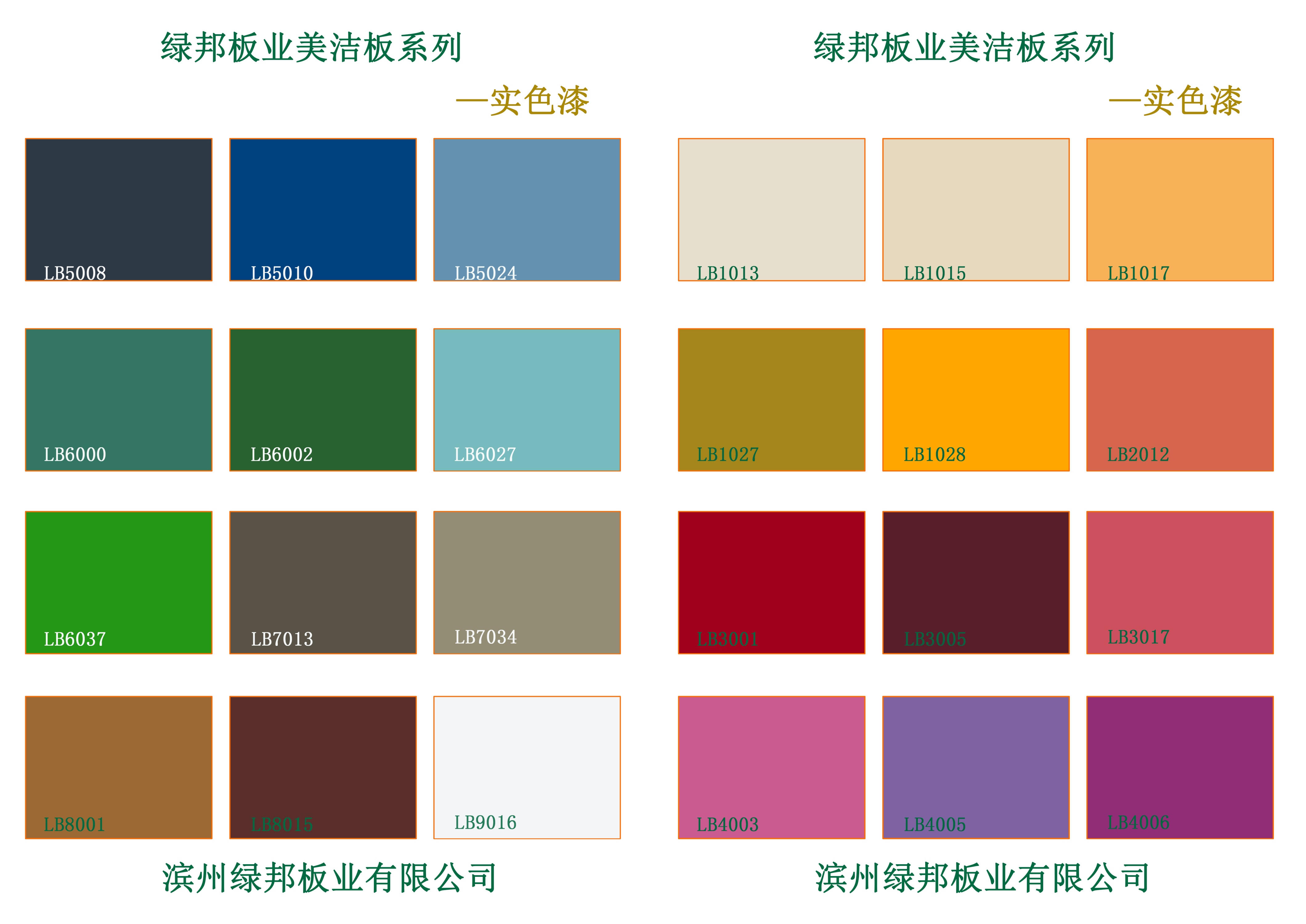
Техническая основа: что обеспечивает высокую производительность этой платы?
Давайте перейдем к конкретным характеристикам этой платы. Я постараюсь обойтись без профессионального жаргона, но именно эти показатели производительности являются причиной, по которой люди выбирают платы с предварительным покрытием, а не другие варианты.
Надежность, на которую можно рассчитывать
Высокоплотная фиброцементная основа обладает исключительной прочностью. Прочность фиброцемента обеспечивается равномерно распределенными по всему материалу целлюлозными волокнами. Эти волокна действуют как микроскопическая арматура, предотвращая растрескивание плиты под воздействием нагрузки или резких ударов. Она способна выдерживать удары и толчки, которые случаются на строительных площадках и в зданиях с высокой проходимостью.
Огнестойкость класса А1 — это очень важно.
Одной из выдающихся особенностей является класс огнестойкости A1. Если вы не знакомы с классификацией пожарной безопасности зданий, вот краткое объяснение: A1 — это наивысший возможный рейтинг негорючести. Это означает, что плита просто не горит. Она не будет способствовать возникновению пожара, не будет выделять токсичный дым и не будет образовывать горящие капли, распространяющие огонь. Для любого проекта, который должен соответствовать строгим противопожарным нормам — гостиницы, общественные здания, высотки, больницы — эта характеристика является обязательной.
Устойчивость к атмосферным воздействиям и длительный срок службы
Поскольку плита изготовлена из цементных материалов, она не гниет, не разбухает и не разрушается, как древесина или МДФ. Предварительное покрытие создает дополнительный барьер против влаги, ультрафиолетового излучения и химического воздействия. Ее можно использовать для наружных стен, и она будет хорошо выглядеть долгие годы, не отслаиваясь, не выцветая и не покрываясь меловым налетом. На практике «длительный срок службы» означает, что вам не придется заменять эти плиты через десять лет. Они созданы для долговечной работы.
Без радиации, без вредных веществ.
Это момент, который некоторые упускают из виду, но на него стоит обратить внимание. Натуральный камень, например гранит, иногда может содержать следы радиоактивных элементов. Плиты с предварительным покрытием изготавливаются из специально разработанных материалов, поэтому риска радиационного облучения нет. Кроме того, современные производственные процессы позволяют снизить содержание летучих органических соединений, а это значит, что плиты не выделяют вредные химические вещества в воздух внутри помещений.
Три способа установить эти доски.
Предварительно покрытые лаком плиты обеспечивают гибкость в способах монтажа. Вы не привязаны к одной системе. Вот распространенные методы:
Клейкое соединение: это самый простой метод. Вы используете прочный строительный клей, чтобы приклеить плиту непосредственно к чистой, ровной поверхности, такой как гипсокартон, бетон или существующая плитка. Это быстро, дешево и хорошо подходит для внутренних стен, где нет значительного воздействия влаги или перепадов температуры.
Монтаж на наружные стены (механическое крепление): Для наружных стен или в ситуациях, когда необходима вентиляция фасада, монтаж на наружные стены — оптимальное решение. Вы устанавливаете на стену металлический каркас — обычно из алюминия или оцинкованной стали — а затем крепите к нему предварительно обработанные плиты с помощью зажимов, шурупов или заклепок. Это создает воздушный зазор между плитой и стеной, что улучшает теплоизоляционные характеристики и позволяет влаге испаряться.
Соединение «шип-паз»: Некоторые предварительно обработанные доски имеют профиль «шип-паз». Это позволяет соединять их между собой, как напольное покрытие, что ускоряет монтаж и обеспечивает бесшовный вид без видимых креплений.
Главный вывод заключается в том, что для установки этих плит не требуются специальные навыки или дорогостоящее оборудование. Обычно достаточно стандартных строительных клеев и обычных инструментов.
Где именно устанавливают предварительно покрытые лаком доски?
Если вы сомневаетесь, подойдет ли этот продукт для вашего проекта, вот список реальных примеров применения, где предварительно покрытые печатные платы доказали свою эффективность.
Отели, караоке-клубы и развлекательные заведения
Эти помещения должны хорошо выглядеть. Покрытие на предварительно обработанных досках выпускается в широком ассортименте цветов и вариантов отделки — глянцевое, матовое, текстурированное, металлизированное, под дерево, под камень — на любой вкус. Дизайнер интерьеров может выбрать отделку, соответствующую фирменному стилю отеля или тематике караоке-клуба. А поскольку доски прочные и легко чистятся, они выдерживают нагрузку от тысяч гостей.
Станции метро и подземные переходы
Подземные помещения постоянно страдают от повышенной влажности. Кроме того, это зоны с интенсивным движением, где стены подвергаются сильным нагрузкам. Влагостойкость фиброцемента делает его идеальным решением, а класс огнестойкости A1 обеспечивает дополнительный уровень безопасности в закрытых общественных местах.
Жилые здания, объекты коммунального хозяйства, больницы и заводы.
Для стандартных стен зданий предварительно окрашенные плиты — это простой и эффективный выбор. Они обеспечивают чистую, профессиональную отделку и не требуют особого ухода. В больницах гладкая, непористая поверхность легко дезинфицируется. На заводах ударопрочность и химическая стойкость являются ценными преимуществами.
Реконструкция существующих зданий
При реконструкции старого здания предварительно обработанные листы древесины — настоящее спасение. Зачастую их можно устанавливать непосредственно на существующую поверхность стены, избегая затрат и грязи, связанных с демонтажем. Это делает их популярным выбором для модернизации старых коммерческих или жилых зданий.
Экономическая сторона: низкая стоимость и низкие затраты на обслуживание.
Давайте будем реалистами — всем нужен продукт, который хорошо себя зарекомендовал, но стоимость всегда является важным фактором. Предварительно окрашенные плиты имеют конкурентоспособную цену по сравнению с другими предварительно отделанными стеновыми системами. Однако реальная экономия достигается за счет двух факторов: скорости строительства и затрат на техническое обслуживание.
Строительство идет быстрее, потому что на объекте не нужно красить или покрывать лаком. Это экономит рабочее время. Кроме того, более простые методы монтажа (с помощью клея или сухой клейкости) означают, что вашей бригаде требуется меньше специальной подготовки.
Затраты на техническое обслуживание низкие, поскольку предварительно обработанная поверхность не требует покраски или герметизации каждые несколько лет. Покрытие устойчиво к загрязнениям, и для поддержания чистоты обычно достаточно простой протирки влажной тканью. Для владельца здания это долгосрочная экономия, которая накапливается в течение всего срока службы здания.
На что следует обращать внимание при выборе поставщика
Если вы планируете приобрести доски с предварительным покрытием, вот что я бы проверил перед подписанием заказа на покупку.
Качество покрытия и устойчивость к УФ-излучению: Не все покрытия одинаковы. Некоторые выцветают или покрываются мелом через несколько лет под прямыми солнечными лучами. Спросите у поставщика, какой тип покрытия он использует (полиэстер, ПВДФ, полиэстер, модифицированный силиконом) и проводил ли он ускоренные испытания на атмосферное воздействие. Если вы используете изделие на открытом воздухе, это очень важно.
Адгезия покрытия: Покрытие полезно только в том случае, если оно хорошо держится на плате. Производители должны предоставить результаты испытаний на адгезию методом перекрестной штриховки или испытаний на отрыв. Хорошая адгезия означает, что покрытие не будет отслаиваться или шелушиться со временем.
Сертификаты: Обратите внимание на наличие сертификатов ISO 9001 (система управления качеством) и ISO 14001 (система экологического менеджмента). Они указывают на то, что на заводе действует контролируемый производственный процесс. Если поставщик заявляет о пожарной безопасности, запросите протокол испытаний от признанной независимой испытательной организации.
Стабильность цвета во всех партиях: Если вы работаете над крупным проектом, вам необходима однородность цвета во всех партиях. У надежного поставщика должна быть система управления цветом и записи о каждой производственной партии.

Часто задаваемые вопросы (практические вопросы)
В: Можно ли использовать предварительно обработанные плиты в душевой или ванной комнате?
А: Да, но убедитесь, что плита предназначена для влажных помещений. Высокоплотный фиброцементный сердечник влагостойкий, но срезы необходимо герметизировать, чтобы предотвратить проникновение воды.
В: Предварительно покрытые плиты — это то же самое, что и ПВХ-панели?
А: Нет. Панели из ПВХ изготавливаются из пластика. Предварительно покрытые плиты имеют фиброцементную сердцевину, что обеспечивает им лучшую огнестойкость, ударопрочность и стабильность размеров.
В: Как мне их нарезать на месте?
А: Стандартная циркулярная пила с твердосплавным диском отлично подойдет. Главная проблема — пыль: фиброцемент образует кремнеземную пыль, поэтому надлежащая пылеудаление и использование защитной маски крайне важны.
В: Выцветет ли цвет на солнце?
А: Это зависит от системы покрытия. Стандартные полиэфирные покрытия со временем медленно выцветают. Высококачественные фторуглеродные (ПВДФ) покрытия разработаны для высокой устойчивости к УФ-излучению и сохраняют свой цвет на протяжении десятилетий.
В: Требуется ли регулярная герметизация или перекраска?
А: Нет. Заводское покрытие — это и есть готовая поверхность. После установки нет необходимости красить или герметизировать. Просто поддерживайте их в чистоте.
Итог
Предварительно окрашенные плиты не являются чем-то революционным. Они не претендуют на звание чудо-материала. Но они практичны, проверены и предсказуемы. Они решают проблему получения прочного, огнестойкого и привлекательного покрытия стен с минимальными хлопотами на строительной площадке.
Если вы работаете над проектом, требующим скорости, безопасности и долговечности, и устали от сложных многоступенчатых стеновых систем, то этот продукт заслуживает серьезного внимания. Просто убедитесь, что вы выбираете подходящее покрытие для ваших условий и покупаете у поставщика, который может подтвердить качество своей продукции протоколами испытаний и сертификатами. Сделайте это, и вы получите стеновую систему, которая будет работать так же усердно, как и вы.
Мобильный телефон: +86 150 6692 1266
WhatsApp: +86 150 6692 1266
Электронная почта: rogerliu0506@163.com
Мобильный телефон: +86 187 6968 0454
WhatsApp: +86 187 6968 0454
Электронная почта: jacky_xin@outlook.com
Поиск
Авторские права © 2017-2020 cld. Все права защищены. Техническая поддержка облачной платформы.
Этот веб-сайт использует файлы cookie, чтобы обеспечить вам максимально эффективное использование нашего веб-сайта.



 WhatsApp
 телефон
 почтовый ящик