 English
 Español
 Portugues
 العربية


Легкие композитные перегородки: технология, применение и будущие тенденции.
В мировой строительной индустрии наблюдается значительный сдвиг в сторону сборных конструкций, энергоэффективности и облегчения конструкций. Традиционные материалы для перегородок, включая кирпич, бетонные блоки и тяжелые гипсокартонные плиты, создают чрезмерные структурные нагрузки, замедляют ход строительства и не соответствуют современным стандартам «зеленого» строительства и оптимизации пространства. По мере быстрого расширения проектов реконструкции городов, коммерческого строительства и модульного строительства, легкие композитные перегородки стали основной альтернативой, решающей основные проблемы традиционных стеновых материалов: большой вес, низкую эффективность и плохие комплексные характеристики. В данной статье систематически рассматриваются основные технологии, характеристики продукции, отраслевые проблемы, практическое применение и тенденции развития легких композитных перегородок.
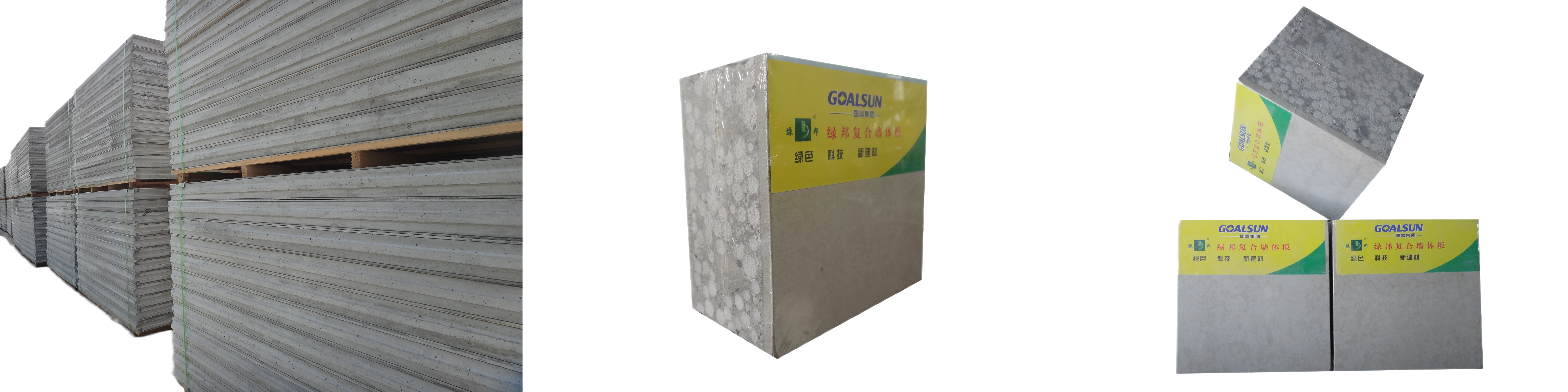
Легкие композитные перегородки представляют собой сборные сэндвич-панели, предназначенные для разделения внутреннего пространства и облегчения возведения стен. В отличие от однокомпонентных стеновых панелей, они имеют многослойную композитную структуру, обычно состоящую из высокопрочных неорганических поверхностных слоев и легких изоляционных материалов сердцевины, скрепленных модифицированными полимерными клеями. В качестве поверхностных материалов обычно используются фиброцементные плиты и плиты из силиката кальция, а в качестве материалов сердцевины — пенополистирол (EPS), легкий керамзит и алюминиевые сотовые материалы. Интегрированная композитная структура обеспечивает баланс между структурной стабильностью, теплоизоляцией и звукоизоляцией, реализуя многофункциональные возможности, недоступные для отдельных традиционных материалов.
Уникальный состав материала и производственный процесс определяют превосходные характеристики панели. Вес панели составляет всего от 45 до 95 килограммов на квадратный метр, что в три-пять раз меньше веса традиционных кирпичных стен, эффективно снижая нагрузку на фундамент здания и сокращая затраты на фундамент и стальные конструкции на 10-15%. Стандартное промышленное производство включает в себя просеивание сырья, высокотемпературное склеивание, отверждение при постоянной температуре и точную резку. Строгие процессы отверждения повышают общую структурную плотность, обеспечивая продукту превосходную огнестойкость, водостойкость и ударопрочность. Большинство сертифицированных панелей соответствуют стандартам пожарной безопасности класса А и сохраняют стабильные характеристики во влажной среде без деформации или образования плесени.
На качество и срок службы легких композитных перегородок напрямую влияют несколько ключевых факторов. Во-первых, критически важна равномерность сцепления между поверхностным слоем и материалом сердцевины; неравномерная адгезия приводит к образованию пустот и расслоению под длительной нагрузкой. Во-вторых, важна чистота сырья — низкоплотные переработанные материалы сердцевины снижают теплоизоляцию и прочность конструкции. В-третьих, стандартизированные условия отверждения определяют стабильность размеров панели, поскольку недостаточное время отверждения легко приводит к деформации после монтажа. Кроме того, технические условия монтажа на месте, включая обработку зазоров и усиление в точках крепления, существенно влияют на общую устойчивость стены проекта.

С точки зрения цепочки поставок и выбора поставщиков, надежные производители должны иметь стандартизированные производственные линии и сертификаты квалификации сторонних организаций, включая протоколы испытаний на огнестойкость, экологичность и несущую способность. Поставщики премиум-класса строго контролируют отслеживаемость сырья, избегают использования переработанных некачественных материалов и поддерживают изготовление продукции по индивидуальным размерам для адаптации к различным сценариям проектов. Стабильные производственные мощности и профессиональная техническая поддержка послепродажного обслуживания также являются ключевыми критериями отбора, поскольку нестандартное производство и нерегулярный монтаж являются основными причинами проблем с качеством на объекте.
Несмотря на развитую рыночную практику, отрасль по-прежнему сталкивается с серьезными проблемами. Многие мелкие производители внедряют упрощенные производственные процессы для снижения затрат, что приводит к непостоянству огнестойкости и звукоизоляционных характеристик продукции. В то же время, у потребителей на рынке отсутствуют единые стандарты выбора, и они часто путают обычные легкие панели с высокопрочными композитными изделиями, что приводит к неправильному выбору материалов для условий высоких нагрузок и высокого риска возгорания. Кроме того, неравномерный профессионализм на строительной площадке приводит к плохой герметизации швов и недостаточному армированию, снижая фактическую эффективность эксплуатации качественных панелей.
Благодаря легкости, быстрому высыханию и многофункциональности, эти панели широко используются в самых разных областях. В коммерческих зданиях, таких как офисы, торговые центры и гостиницы, они сокращают сроки строительства и максимально увеличивают полезную площадь внутренних помещений благодаря тонкостенной конструкции. В проектах реконструкции жилых домов и сборных жилых комплексов их низкая несущая способность хорошо подходит для реконструкции старых зданий и модульного строительства. На промышленных предприятиях и в общественных местах их огнестойкие и звукоизоляционные свойства соответствуют строгим стандартам безопасности и экологической безопасности.
В перспективе отрасль производства легких композитных перегородок демонстрирует три четких направления развития. Во-первых, высокоэффективная интеграция, при которой продукция совершенствуется в плане огнестойкости, звукоизоляции и интеллектуальной функциональности, например, в плане сохранения тепла и влагостойкости. Во-вторых, экологичная низкоуглеродная модернизация, при которой производители постепенно переходят на экологически чистые сырьевые материалы и энергосберегающие производственные процессы в соответствии с глобальной политикой «зеленого» строительства. В-третьих, будет формироваться стандартизированная и индивидуализированная разработка, единые отраслевые стандарты выбора и строительства, а персонализированные продукты будут отвечать дифференцированным потребностям высококлассных коммерческих и специальных инженерных проектов, что еще больше расширит границы применения на рынке.

 RELATED
 RELATED
Мобильный телефон: +86 150 6692 1266
WhatsApp: +86 150 6692 1266
Электронная почта: rogerliu0506@163.com
Мобильный телефон: +86 187 6968 0454
WhatsApp: +86 187 6968 0454
Электронная почта: jacky_xin@outlook.com
Поиск
Авторские права © 2017-2020 cld. Все права защищены. Техническая поддержка облачной платформы.
Этот веб-сайт использует файлы cookie, чтобы обеспечить вам максимально эффективное использование нашего веб-сайта.



 WhatsApp
 телефон
 почтовый ящик